
Your website is the first point of contact with potential customers. According to recent studies, the 75% of corporate credibility stems from the website’s appearance. Strategic design isn’t just about aesthetics: it turns visitors into customers, boosts conversions and builds trust. In this guide, you’ll discover how to optimise your web design for tangible results in the Italian market in 2026.
Contents
- What is web design and why is it important for your business?
- How web design affects the user experience (UX)
- Web design and SEO: a vital combination for online visibility
- Common mistakes and myths about corporate web design
- The importance of responsive and accessible design
- How to measure the return on investment (ROI) of your web design
- Guidelines for choosing a professional and the right tools
- Conclusions and next steps for improving your website
- Discover the professional web services offered by Andrea Freelance
- Frequently Asked Questions
Key points
| Full stop | Details |
|---|---|
| The strategic role of design | Web design combines aesthetics, usability and functionality to create memorable experiences that drive conversions. |
| Impact on conversions | A well-designed website increases the conversion rate by up to 9%, compared with 2–3% for non-optimised sites. |
| Responsive design and accessibility | Ensuring accessibility across all devices and for all users is essential for remaining competitive in 2026. |
| Mistakes to avoid | Neglecting usability, using complex templates and ignoring user testing compromises the results. |
| Choosing a professional | Assessing a portfolio, specific experience and post-launch support ensures effective investments. |
What is web design and why is it important for your business?
Web design is about much more than just colours and eye-catching graphics. It represents the harmonious integration of visual aesthetics, intuitive usability and technical functionality, all working together to achieve concrete business objectives. A well-designed website guides the user along a clear path, making it easy to access information and encouraging desired actions such as making a purchase or requesting a quote.
First impressions count for a great deal in the digital world. Visitors form an opinion of your brand within seconds of the page loading. A study shows that 75% of a company’s credibility is determined by its website design. If the site looks outdated or unprofessional, you’ll miss out on opportunities before potential customers even get round to reading your content.
For Italian entrepreneurs and self-employed professionals, investing in web design means building credibility within their sector. A professional layout conveys expertise, attention to detail and reliability. These psychological factors directly influence purchasing decisions, particularly in competitive markets where visual differentiation becomes a strategic advantage.
The key elements of effective web design include:
- A visual hierarchy that directs the eye towards key content
- A colour palette consistent with the brand’s identity
- A legible typeface that makes reading easier on all devices
- Intuitive navigation that reduces user frustration
- Optimised loading times to keep impatient visitors on the site
Ignoring these aspects means forfeiting significant competitive advantages in the digital market of 2026.
How web design affects the user experience (UX)
The user experience determines whether a visitor stays on your site or leaves after a few seconds. A strategic design reduces the bounce rate by up to 15%, keeping users engaged and guiding them towards conversions. When navigation is clear and content is accessible, people spend more time exploring your services.
The structure of the layout plays a decisive role in overall usability. Well-organised menus, breadcrumbs to help users navigate between sections, and clearly visible call-to-action buttons eliminate doubts and uncertainties. Every element must answer the question: does it help the user find what they’re looking for effortlessly? The answer determines the success of your online presence.
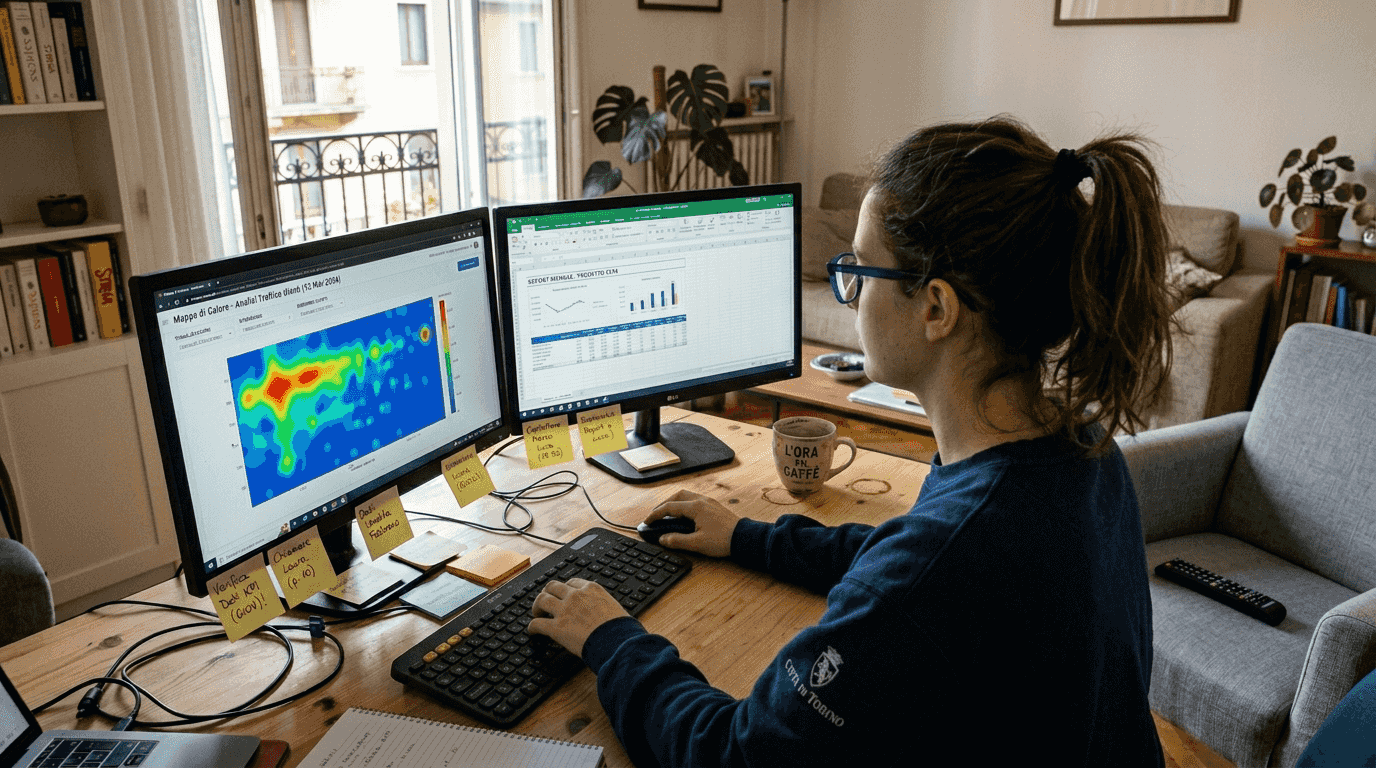
Hard data confirms the economic impact of optimised UX. A well-designed website achieves conversion rates of up to 9%, compared with an average of 2–3% for non-optimised sites. This difference translates into real revenue for your business. Investing in the user experience means boosting commercial results without increasing your advertising budget.
Here are some practical tips for improving your website’s UX:
- Organise content using white space to make it easier to scan visually
- Reduce the number of clicks needed to access key information
- Implements an internal search function for websites with a large number of pages
- Use high-quality images that convey a sense of professionalism
- Regularly test the response speed on different connections
Pro tip: Analyse your website’s heatmaps to find out where users actually click. Tools such as Hotjar reveal behaviour that traditional analytics miss, enabling you to optimise specific elements to maximise engagement and conversions.
Another key aspect concerns visual consistency across pages. Users develop certain expectations as they navigate the site. Drastically changing the layout or style between sections causes confusion and undermines trust. Maintaining professional qualities Consistent branding reinforces the brand’s identity and helps users become familiar with your platform.
Web design and SEO: a vital combination for online visibility
Website design has a direct impact on search engine rankings. Google considers page load speed, code structure and mobile usability as ranking factors. A technically optimised layout ensures that content is indexed correctly, increasing the likelihood of appearing at the top of the results for relevant searches.
When planning a website redesign, consider information architecture as a strategic SEO element. Clean URLs, logical hierarchies between pages and consistent internal links help search engine crawlers understand the site’s structure. This clarity translates into better organic rankings and more qualified traffic to your conversion pages.
The integration of design and SEO positioning It delivers better results than separate approaches. Visual elements such as well-structured headings, descriptive alt text for images and schema markup enrich the content for search engines. At the same time, they improve accessibility and comprehensibility for real users.
Tangible benefits of integrating design and SEO include:
- Reduced bounce rate thanks to engaging layouts
- An increase in dwell time signals quality to Google
- More social media shares for visually appealing content
- Improving authority through strategic internal links
The features of corporate websites Successful projects always combine aesthetics with technical optimisation, creating synergies that maximise results.
| Design Element | SEO impact | Measurable Outcome |
|---|---|---|
| Loading speed | Direct ranking factor | Rebound reduction 30% |
| Heading structure | Comprehension of content | Increase in page indexing 25% |
| Responsive design | Mobile-first indexing | Increase in mobile traffic 40% |
| Intuitive navigation | Reduction in page depth | Crawl budget improvement 20% |
These figures highlight how design choices that appear to be purely aesthetic can influence concrete SEO metrics. Neglecting integration means missing out on opportunities for organic visibility that would otherwise require significant advertising expenditure to compensate for.
Common mistakes and myths about corporate web design
Many business owners believe that content alone determines online success. This belief leads them to neglect the visual aspect, thereby compromising potential results. The reality is that excellent content that is poorly presented simply isn’t read. Design acts as a bridge between your information and your audience’s attention.
A common mistake is to prioritise aesthetics over functionality. Websites that are visually stunning but slow or difficult to navigate frustrate users. The ideal balance combines beauty with practicality, creating enjoyable experiences that serve concrete business objectives. Form must always support function.
The myth that complexity is synonymous with professionalism is detrimental to many web projects. Templates overloaded with animations, intrusive pop-ups and convoluted menus confuse rather than impress. Deliberate simplicity conveys confidence and expertise. The most reputable brands opt for clean designs that highlight content and value.
Pro tip: Test your website with real users before launch. Ask people who are not involved in the project to carry out specific tasks, such as finding contact details or requesting quotes. The difficulties they encounter will reveal usability issues that are invisible to those who already know every detail of the site.
Other critical mistakes to avoid:
- Ignoring accessibility standards that exclude certain sections of the public
- Using generic stock images that do not reflect your reality
- Failing to carry out regular updates that keep the website up to date
- Copying competitors’ designs without adapting them to your own unique identity
- Underestimating the importance of clear and visible calls to action
Recognising these pitfalls enables you to avoid them during the design or redesign phase, saving time and resources whilst maximising the effectiveness of your digital investment.
The importance of responsive and accessible design
Mobile traffic has overtaken desktop traffic in most sectors. A website that does not adapt perfectly to smartphones and tablets loses more than half of its potential visitors. Responsive design ensures an optimal experience regardless of the device used, boosting engagement and conversions across all channels.
Tangible benefits of responsive design include longer session durations and a drastic reduction in the mobile bounce rate. Users who have to pinch the screen to read or click on tiny links will leave immediately. In contrast, fluid layouts that adapt to the screen size hold users’ attention and make navigation easier.
Despite the evidence, many Italian websites remain unoptimised for mobile devices. This shortcoming presents a competitive opportunity for those who invest in responsive design. Whilst competitors lose valuable traffic, your website attracts users who are frustrated by poor experiences elsewhere.
Accessibility extends these benefits to people with visual, hearing or mobility impairments. Implementing WCAG standards is not just a matter of ethics or regulatory compliance. It broadens the audience you can reach and improves overall usability for everyone. Features such as adequate contrast, keyboard navigation and screen readers support inclusivity and performance.
| Factor | Impact on Conversions | Impact Engagement | Implementation Priorities |
|---|---|---|---|
| Mobile-responsive | +35% | +40% | Review |
| Mobile loading times | +28% | +32% | Review |
| Accessible colour contrast | +12% | +15% | High |
| Keyboard navigation | +8% | +10% | Media |
These figures confirm that responsiveness and accessibility are not optional in 2026. They are essential requirements for competing effectively. Modern professional skills always incorporate these elements.
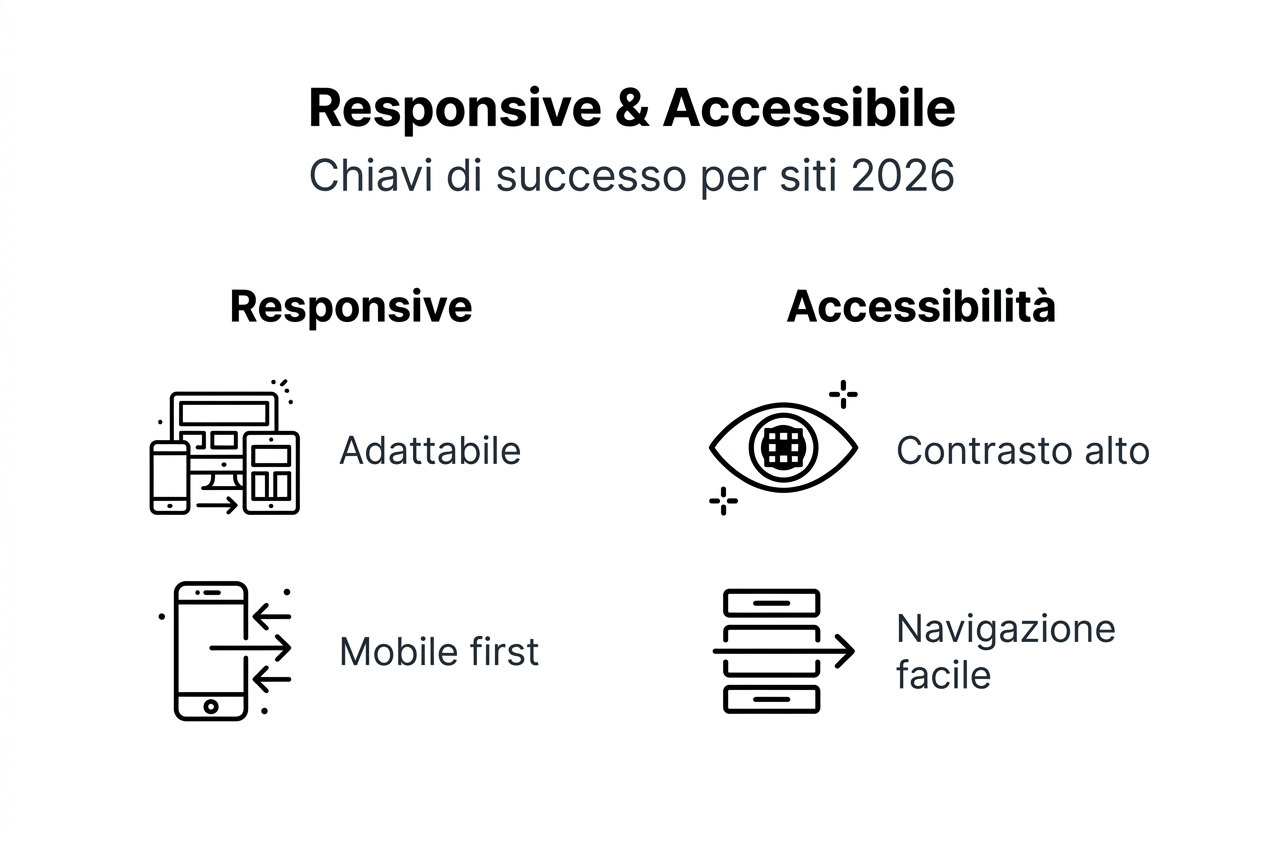
Consider a website redesign This becomes necessary when responsive design or accessibility are lacking. Investing in these areas safeguards the future of your digital business and ensures it remains relevant in the long term.
How to measure the return on investment (ROI) of your web design
Quantifying the economic benefits of design enables informed decisions on web investments. The basic ROI calculation compares the increase in conversions following a redesign with the costs incurred. If a new design increases monthly sales by €5,000 and costs €10,000, you will recoup your investment in two months. Any subsequent benefits represent pure profit.
Key metrics to monitor before and after design changes include conversion rate, average order value, organic traffic and time on site. Increases in these areas indicate measurable success. Free tools such as Google Analytics provide sufficient data for accurate assessments at no extra cost.
Italian case studies demonstrate impressive ROI. Websites with optimised UX achieve conversion rates of 9%, compared with the standard 2–3%. This difference radically transforms business results. An e-commerce site with 10,000 monthly visitors goes from 200–300 orders to 900 orders, tripling its turnover with the same level of traffic.
To analyse the ROI of your web project:
- Record baseline metrics before making any design changes
- Implements detailed tracking of conversions and user behaviour
- Compare performance week by week following the launch
- Calculate the percentage increase in conversions and revenue
- Divide the additional earnings by the total investment in the design
- Monitor long-term trends to assess the sustainability of improvements
Professional tools such as Hotjar or Crazy Egg provide qualitative insights through session recordings and heatmaps. This data reveals why certain changes are effective, enabling continuous optimisation that progressively increases ROI over time.
Bear in mind that some benefits of design are best measured in terms of non-monetary metrics that are not immediately apparent. Brand awareness, perceived quality and customer trust grow gradually but influence future purchasing decisions and customer lifetime value. Including these factors in your assessments provides a complete picture of the strategic impact.
Guidelines for choosing a professional and the right tools
Choosing the right partner for your web project can make or break it. Carefully evaluate in-depth portfolios that demonstrate experience in your specific sector. Past projects reveal technical expertise, aesthetic sensibility and the ability to tackle challenges similar to yours. Be wary of generic promises that are not backed up by concrete, documented results.
Feedback from previous clients provides valuable insights into professionalism and reliability. Look for detailed reviews that describe processes, communication and the results achieved. Vague or overly enthusiastic testimonials may have been manipulated. Direct conversations with references offer a level of authenticity that is difficult to fake.
The choice between platforms such as WordPress, WooCommerce and PrestaShop depends on your specific needs. WordPress stands out for its flexibility and ease of management, making it ideal for corporate websites and professional blogs. WooCommerce extends WordPress with integrated e-commerce functionality, making it perfect for small to medium-sized online shops. Prestashop offers greater power for complex product catalogues but requires more technical expertise.
| Platform | Strengths | Limitations | Ideal for |
|---|---|---|---|
| WordPress | Ease of use, plenty of plugins | Performance with lots of plugins | Corporate websites, blogs, portfolios |
| WooCommerce | WordPress integration, scalability | Complex, costly customisations | Small and medium-sized e-commerce businesses |
| Prestashop | Native e-commerce capabilities | Steep learning curve | Large-scale e-commerce, extensive catalogues |
Indicators that the project is progressing smoothly include regular communication, adherence to agreed timelines and involvement in strategic decisions. The professional should explain technical choices in terms you can understand, educating you rather than imposing their views using intimidating jargon.
Pro tip: Always check that post-launch support and ongoing maintenance are available. A website requires security updates, performance optimisations and adjustments to meet new requirements. Clear agreements on these matters help to avoid costly surprises once the project has been initially completed.
Choose specialist freelancers often offers better value for money than established agencies. Independent professionals keep overheads down whilst maintaining a high level of expertise. The professional website design It follows established processes regardless of the supplier’s size.
Conclusions and next steps for improving your website
Effective web design is built on three pillars: eye-catching aesthetics, an experience that keeps visitors engaged, and effectiveness that converts visitors into customers. Neglecting any one of these elements undermines the overall results. An integrated approach maximises every investment in your digital ecosystem.
Now that you understand the strategic impact of design, take a critical look at your current website. Identify weaknesses in usability, speed or mobile responsiveness. Prioritise actions that deliver measurable improvements in business metrics. Even small optimisations generate significant cumulative benefits over time.
Practical steps to start making improvements:
- Carry out a comprehensive technical audit to identify hidden problems
- Gather honest feedback from customers about any difficulties they have encountered
- Compare your website with direct competitors to identify any obvious gaps
- Set specific and measurable objectives for the redesign
- Plan a realistic budget that strikes a balance between quality and sustainability
Remember that a website is an asset that generates ongoing value. Regular updates maintain competitive relevance and protect previous investments. Technologies evolve, user expectations change and markets transform. The flexibility to adapt ensures lasting success in 2026 and beyond.
An optimised website works for you around the clock, attracting qualified customers whilst you sleep. This compound value more than justifies the initial investment in professional design. The real cost comes from doing nothing, missing out on business opportunities with every passing day whilst your website remains inadequate.
Discover Andrea Freelance’s professional web services
Turning theory into tangible results requires specialist skills and proven experience. With over 20 years’ experience in the sector, I offer bespoke solutions that combine strategic design and technical optimisation to maximise conversions and visibility.
Whether you need a completely new company website, a targeted redesign or advanced SEO optimisation, I provide comprehensive web services tailored to your specific needs. Every project incorporates best practices in usability, performance and organic search to ensure measurable results.
Choose a experienced freelance webmaster This means cutting out costly middlemen whilst maintaining professional standards. I personally manage every stage of the process, from the initial strategy right through to ongoing post-launch support. If your current website isn’t delivering the results you’d hoped for, find out how a strategic redesign can transform your digital presence and multiply your business opportunities.
Frequently Asked Questions
What is the difference between web design and web development?
Web design focuses on visual appeal, usability and the overall user experience. It encompasses layout, colour schemes, typography and navigation flows. Web development, on the other hand, concerns programming and technical functionality, translating the design into functional code using languages such as HTML, CSS and JavaScript. Both work together to create effective websites, but require distinct skills.
How can I tell if my website needs a revamp?
Clear signs include an outdated look that does not reflect current standards, a lack of mobile optimisation and slow loading times. If traffic and conversions are stagnating despite marketing efforts, the design may be hindering results. When your website no longer accurately represents your brand or your evolving strategic objectives, a professional redesign becomes a necessary investment.
How long does it take to build a professional website?
Timeframes vary significantly depending on the complexity of the project. A standard corporate website takes 4–6 weeks from planning to launch. Complex e-commerce sites may take 8–12 weeks to set up product configurations, payment gateways and integrations. Targeted landing pages can be completed in 1–2 weeks. Clearly communicating objectives and preparing content in advance significantly speeds up the process.
Which web design platforms are best suited to a small business?
WordPress is the ideal choice for the majority of small businesses thanks to its ease of management, flexibility and low costs. WooCommerce adds comprehensive e-commerce functionality whilst maintaining ease of use. Prestashop is preferable for online shops with extensive product catalogues and advanced customisation requirements, but it requires greater technical expertise. The choice of platform should be aligned with your objectives, budget and in-house management capabilities.
Does web design really affect SEO rankings?
Absolutely. Google considers page load speed, mobile-friendliness and site structure to be direct ranking factors. Technically optimised designs facilitate correct indexing and improve behavioural metrics such as time on site and bounce rate. Elements such as structured headings, optimised images and intuitive navigation boost SEO effectiveness. The strategic integration of design and optimisation yields better results than isolated approaches.